Ekam
Familiar rules, new friends at the table.
If you have played UNO you can play Ekam in a minute. What is different is everything around the rules: bots that misbehave on purpose, rooms that need no sign-up, a mode for the smallest players, and sixteen characters with stories to tell.
Standard rules, plus six house rules
The base game is the one you know: match the colour or the number, Skip, Reverse, Draw 2, Wild and Wild Draw 4, seven cards each, and call “Ekam!” when you are down to one. Forget, get caught, and you draw two.
Hosts can switch on any of six house rules per game, and the engine enforces each one, so there is no arguing about what counts.
- Stacking
- Answer a Draw 2 or Wild Draw 4 with another, and pass the pile along.
- Seven-zero
- A 0 passes every hand around the table. A 7 swaps hands with a player you choose.
- Jump-in
- Holding the exact card on top? Play it, even out of turn.
- Wild Draw 4 any time
- No need to be out of the colour in play.
- Challenge
- Think that Wild Draw 4 was a bluff? Call it, and the bluffer draws instead.
- Friends help
- Play a deity onto one of their friends and lay one more matching card.
Games can be one hand, first to a points target of 300, 500 or 1000, or last one standing.
Bots with bad habits
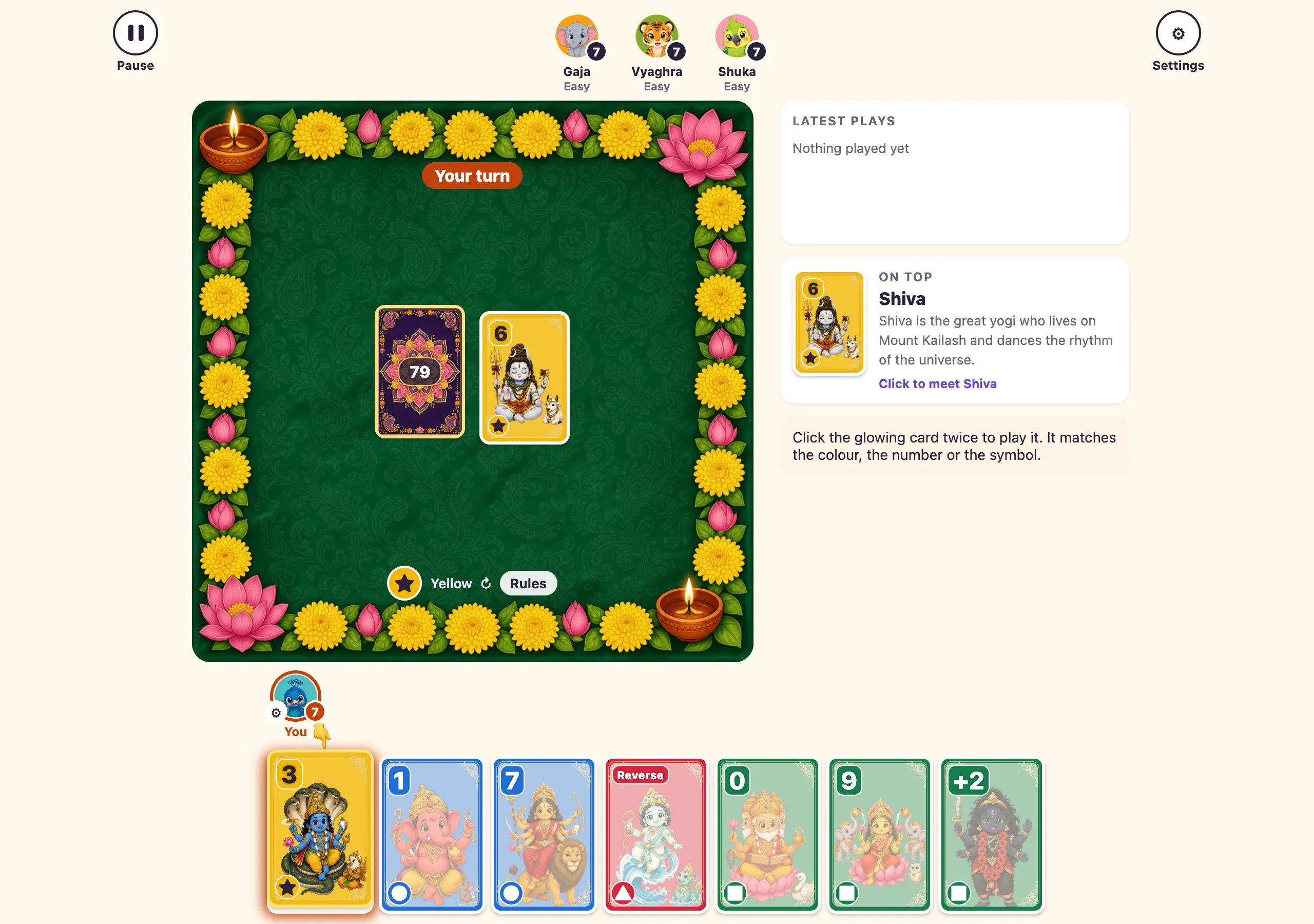
Three difficulties, and the difference is character, not card-counting. Each bot has a set of tendencies: how often it remembers to call “Ekam!”, whether it notices when you forget, whether it jumps in, whether it plays the card it just drew, and whether it challenges a Wild Draw 4.
Easy bots forget “Ekam!” about half the time and never notice when you do, so children can catch them. Hard bots keep their colours together, hold wilds for the end, and catch you almost every time. Bots only ever make legal moves, and they answer trivia correctly 40, 60 or 80 percent of the time.
Private rooms, no accounts
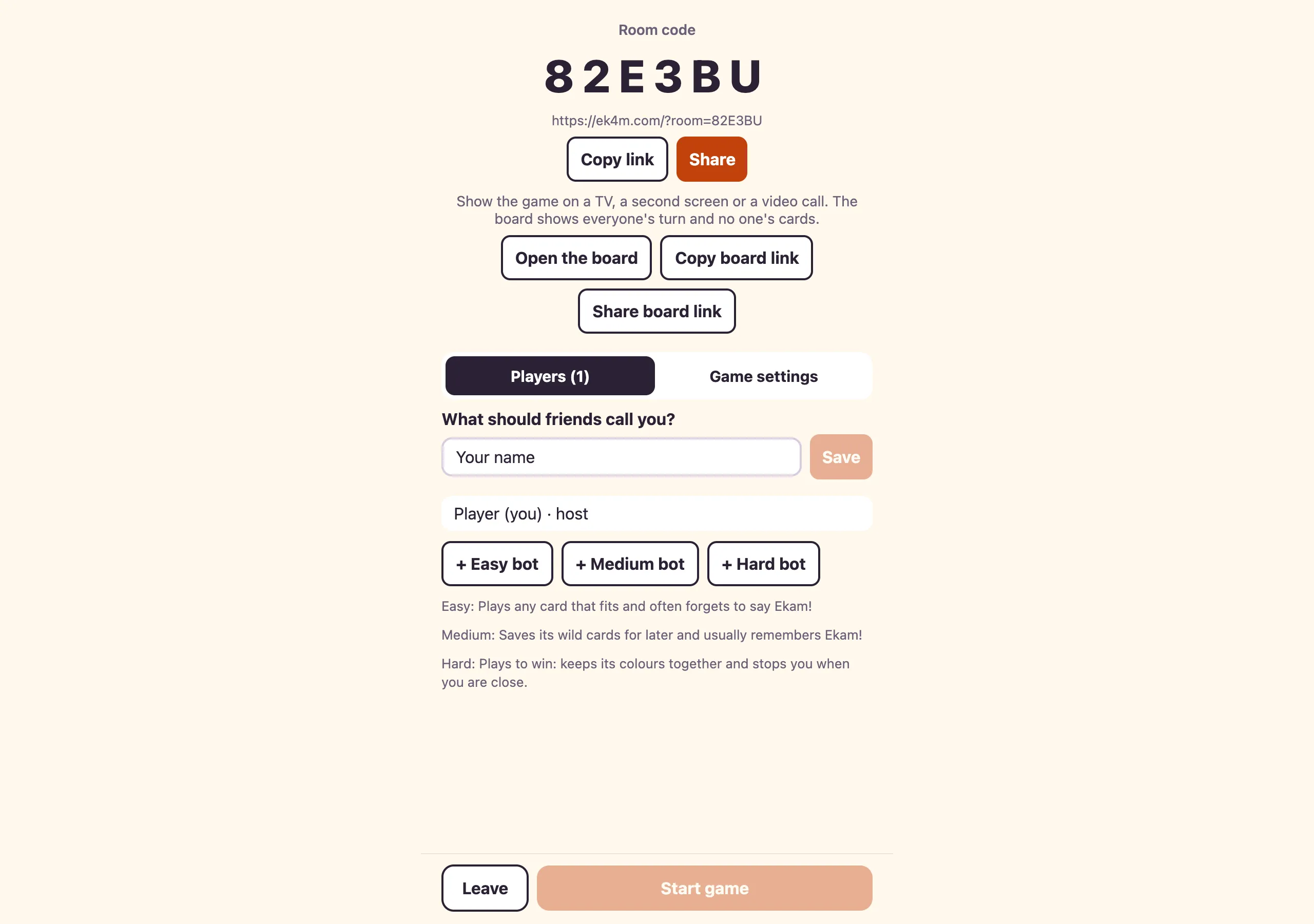
Create a room and you get a six-letter code built from an alphabet with no 0, O, 1 or I, so it survives being read aloud across a kitchen. Share a link, or open the board view on a TV or a video call: it shows everyone’s turn and nobody’s cards.
Rooms hold two to ten seats, any mix of people and bots. A thirty-second turn timer hands an idle turn to a bot, a dropped player gets sixty seconds to come back before a bot takes the seat, and an empty room closes itself after ten minutes. Nobody has to sign up: guests play under whatever name they type.
Lore, trivia and the gallery
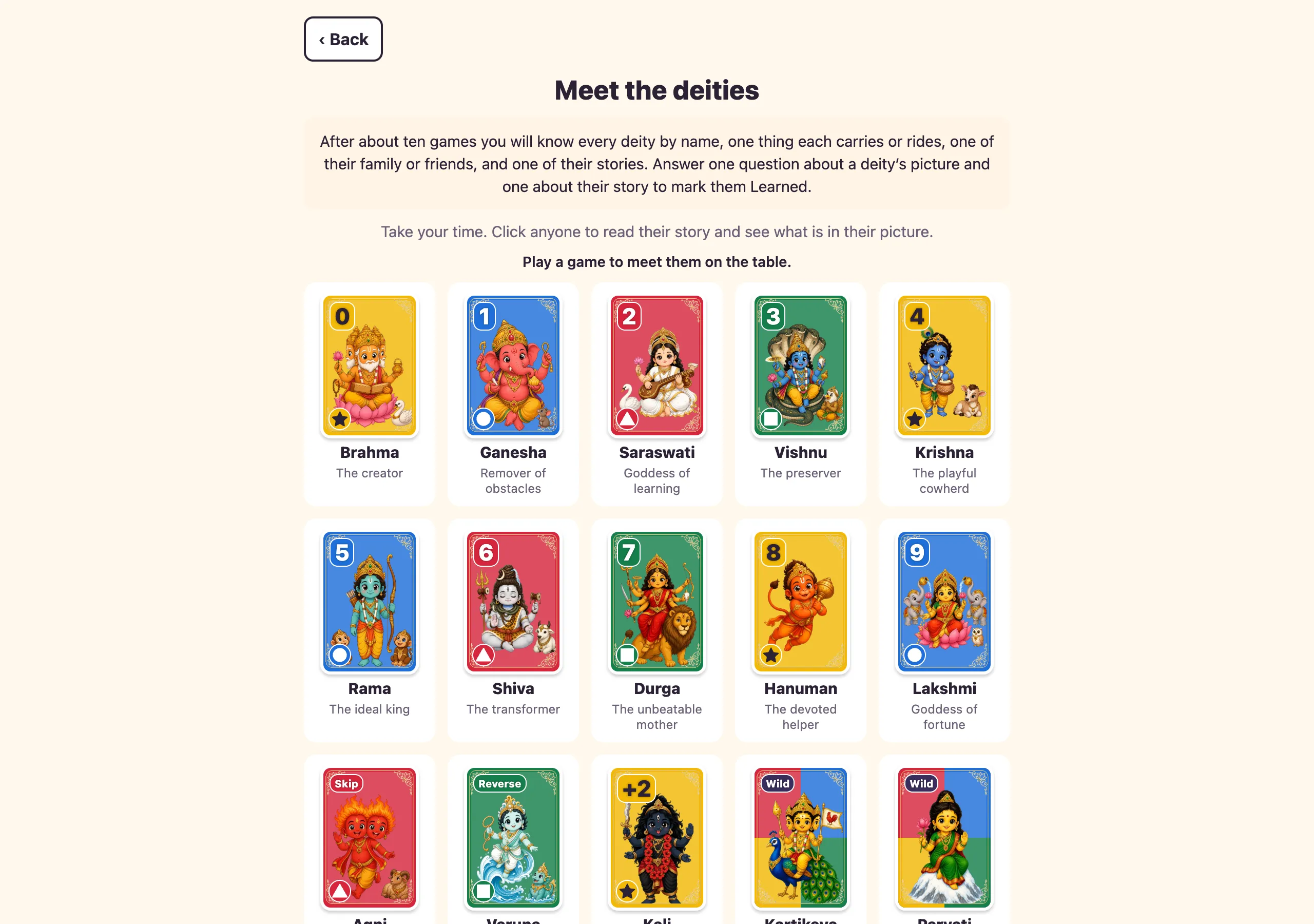
Each deity carries a short story: who they are, what they ride, who their family and friends are. Between hands, a showcase tells one of those stories. In points games a player who is stuck can answer a question about the deity on their highest card to drop it from their score.
The gallery is the same content with no timer and nothing to win: read every card at your own pace and mark the ones you have learned.
A mode for little ones
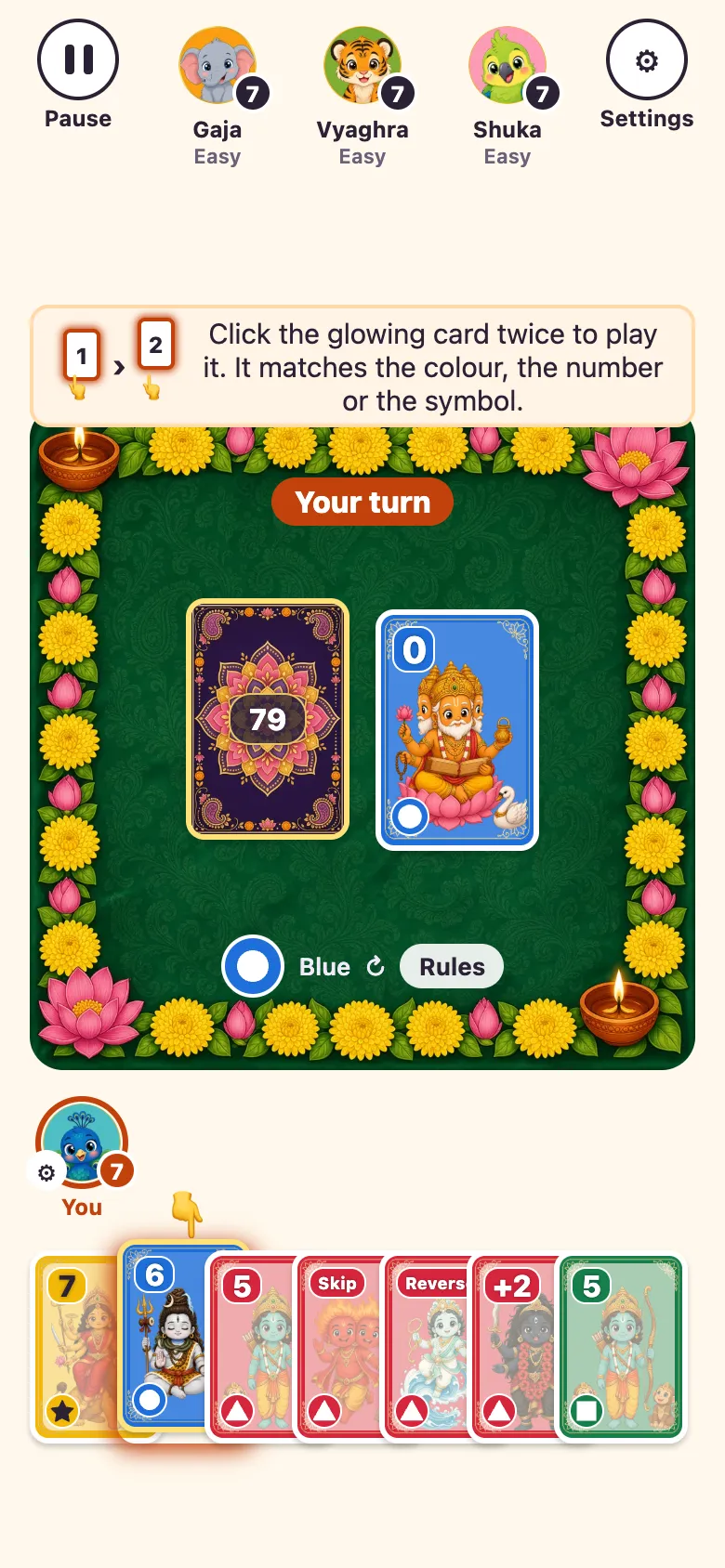
One quick hand against easy bots, no timer, hints on, and read-aloud for every card and prompt. The home screen leads with it, because the youngest players are the ones who asked for a game about these characters in the first place.
Cheers and celebrations
Play a deity and their cheer pose swaps in. Win the hand and the winning deity hops. Each of the sixteen has its own pose, and Hanuman has five, one for each of his famous moments.
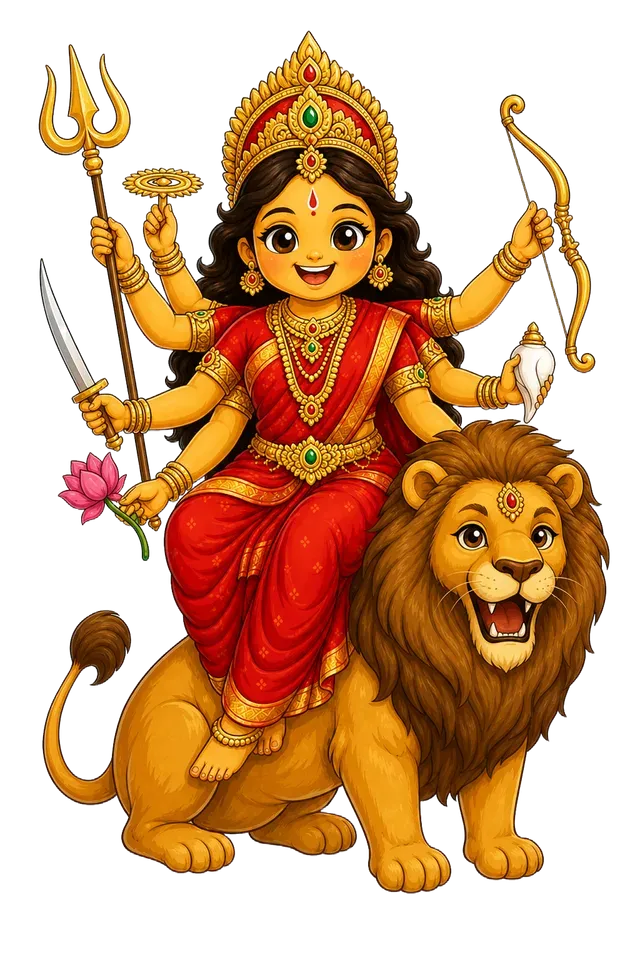
Durga
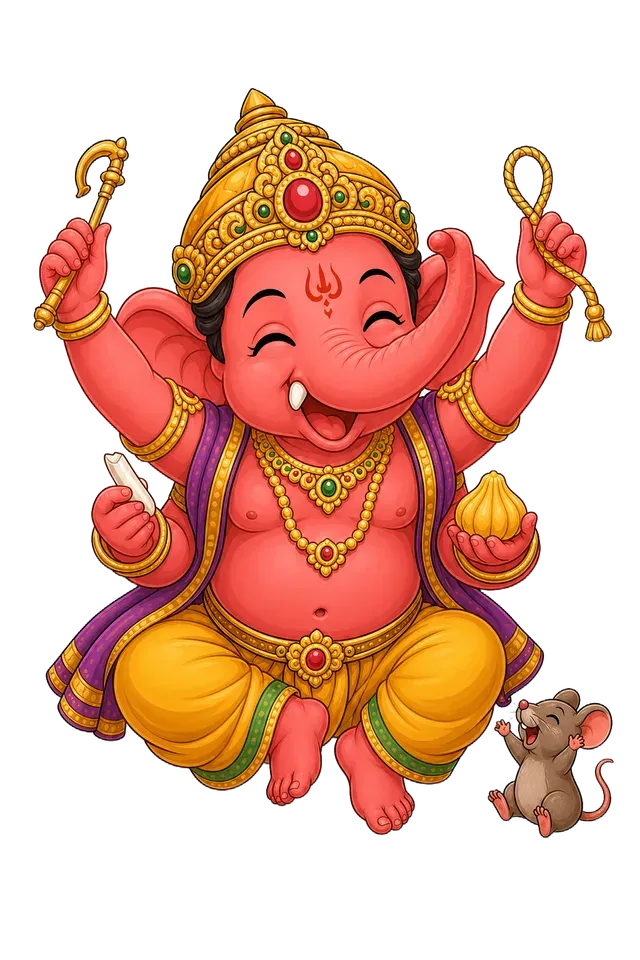
Ganesha
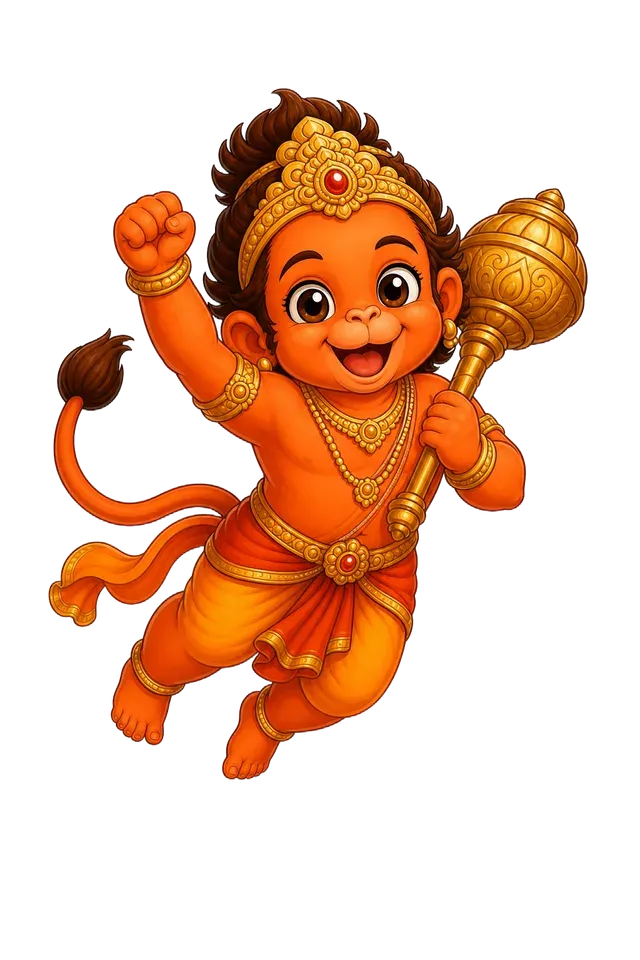
Hanuman
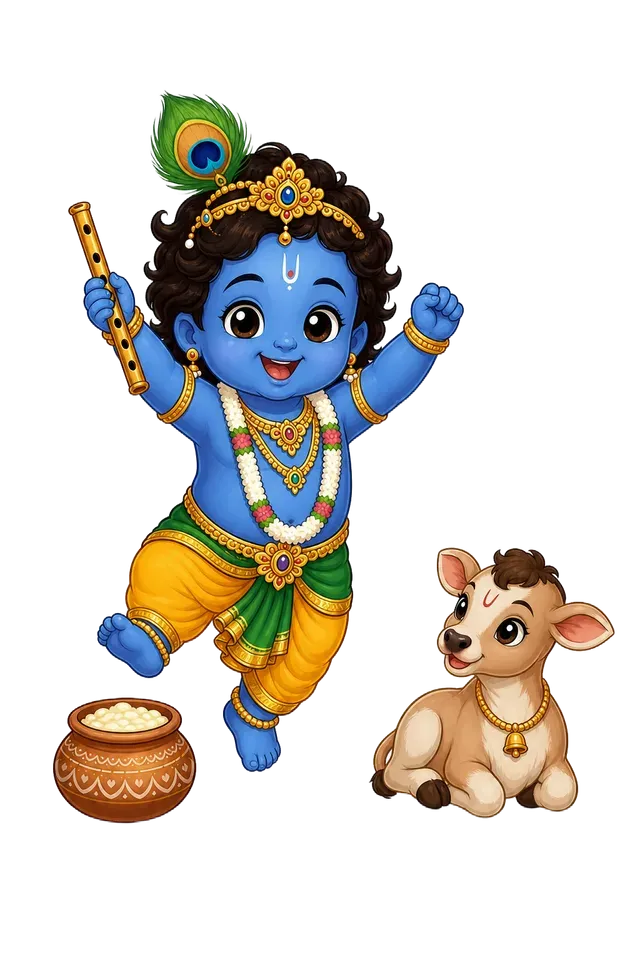
Krishna
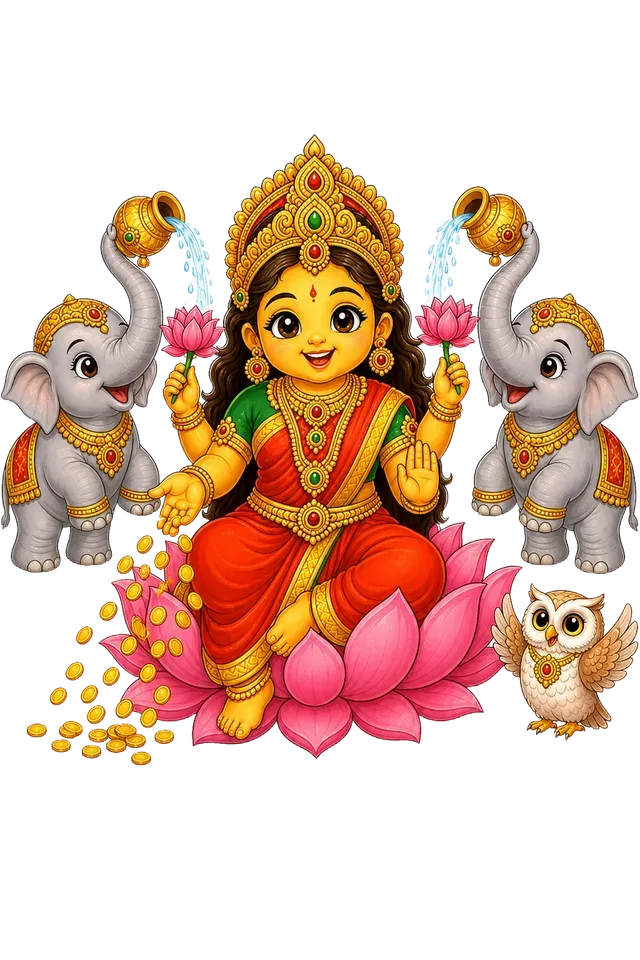
Lakshmi
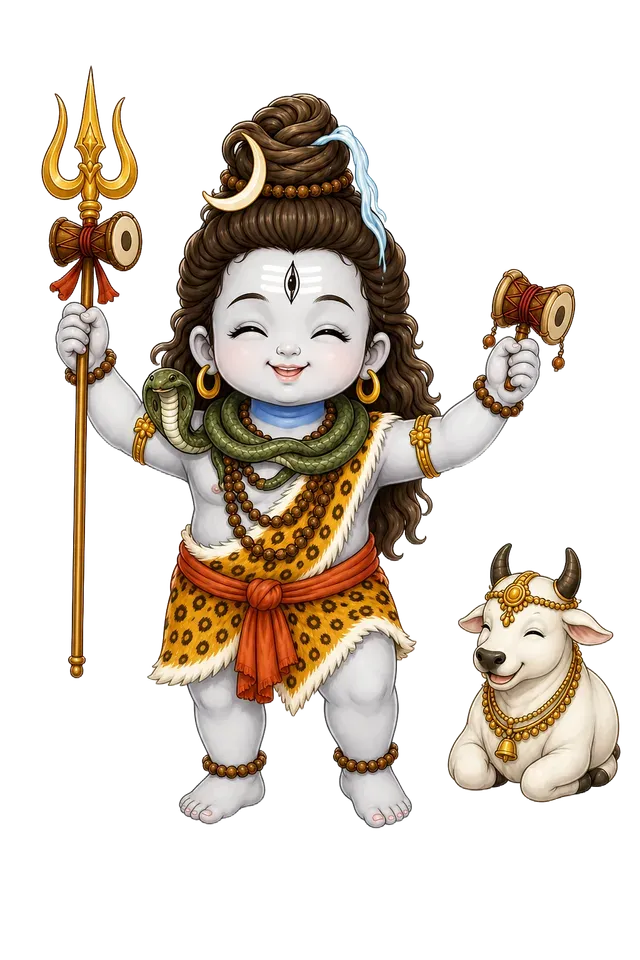
Shiva
Every attribute, drawn
Fifty-seven close-ups of the deities’ iconic items and companions, used in the between-hands showcase and the gallery. A few of them:

Ganesha: modak
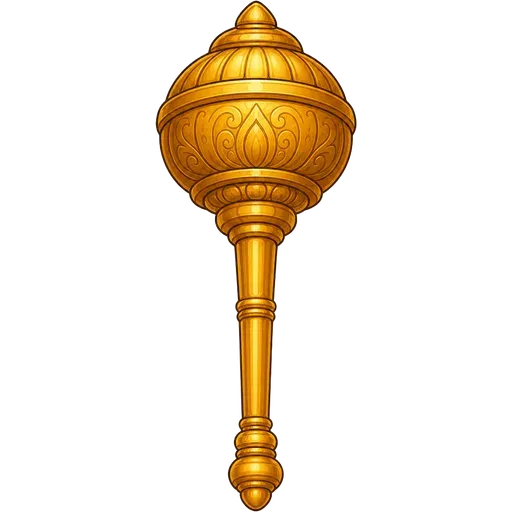
Hanuman: golden gada mace
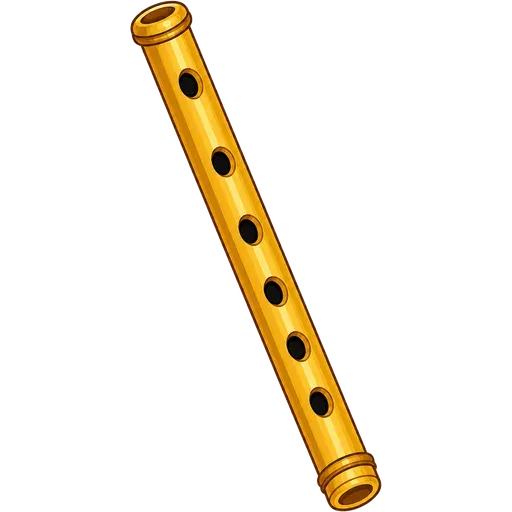
Krishna: bansuri flute
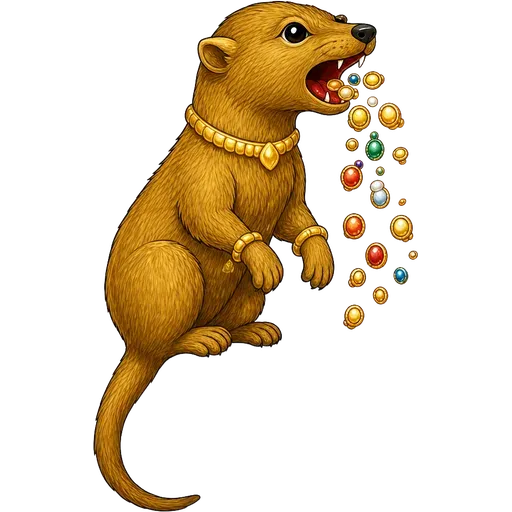
Kubera: jewel spitting mongoose
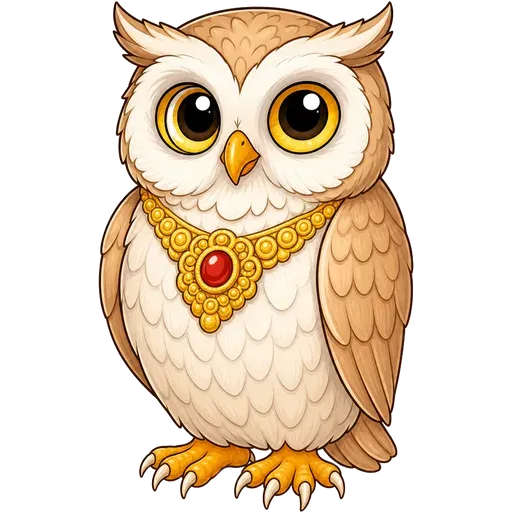
Lakshmi: uluka owl
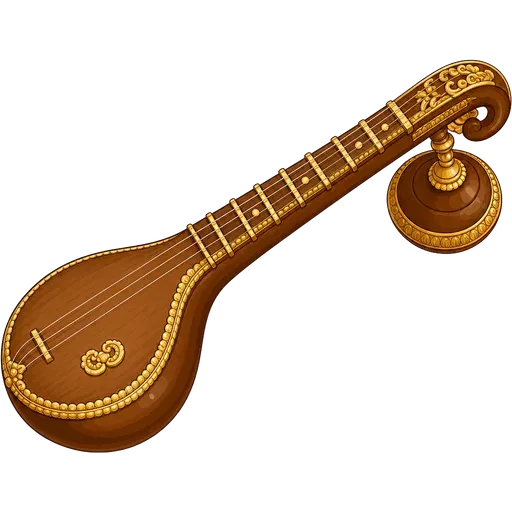
Saraswati: veena
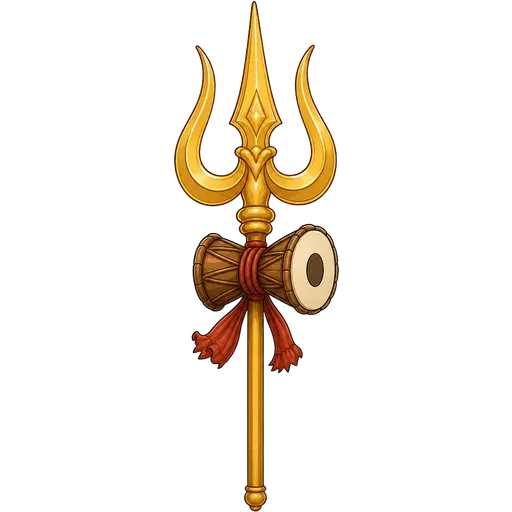
Shiva: trishula trident

Vishnu: sudarshana chakra discus